

Rigid Box Bulk Order Guide: How To Avoid Color, Insert And Finishing Problems
A practical buying guide for brands and importers ordering custom rigid boxes in bulk from China.
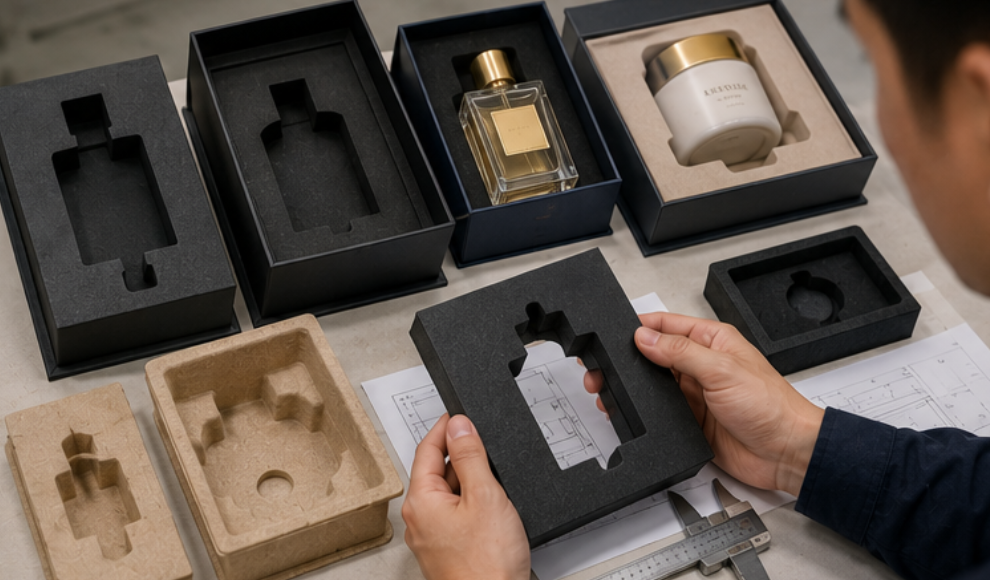
Get Quote Contact UsRigid boxes are widely used for perfume, cosmetics, jewelry, candles, electronics accessories and premium gift products. They create a stronger brand impression than ordinary folding cartons, but they also require more careful production control. In bulk orders, small sample-stage issues can become large-scale quality problems if buyers do not confirm details before mass production. The most common problems in rigid box bulk orders are color inconsistency, insert mismatch, surface scratches, glue marks, uneven foil stamping, weak corners and poor opening experience. To reduce risk, buyers should review color standards, insert fitting and finishing details before approving production. Color difference is one of the most common problems in custom rigid box production. It may happen because of different paper textures, printing machines, ink absorption, lamination effects or lighting conditions. For brands with strict visual identity, even a small color shift can affect the whole product line. Buyers should provide Pantone color numbers, approved artwork files and reference samples if available. Before bulk production, the supplier should provide a printed sample or pre-production sample for approval. If the rigid box uses textured paper or specialty paper, buyers should understand that color may appear slightly different compared with coated paper. Inserts are critical for rigid boxes, especially when packaging glass bottles, skincare jars, candles, jewelry or multiple-product gift sets. EVA foam, paperboard trays, molded pulp and velvet inserts all have different protection levels and costs. Buyers should test the insert with real products before bulk production. The product should not move too much inside the box, but it should also be easy for customers to remove. If the cavity is too loose, products may shake during shipping. If it is too tight, the unboxing experience may feel poor and the product may be difficult to take out. Luxury rigid boxes often use foil stamping, embossing, debossing, spot UV, matte lamination or soft-touch coating. These processes can improve brand value, but they must be controlled carefully in bulk production. Buyers should check whether foil stamping is aligned, embossing depth is consistent, UV areas are clean and lamination has no bubbles or wrinkles. Export packing should also be confirmed. Rigid boxes are easier to deform if cartons are stacked incorrectly. Buyers should confirm carton strength, quantity per carton, protective film, pallet packing and loading photos before shipment. Provide Pantone color numbers and approved artwork. Confirm paper material, texture and printing method. Approve printed sample or pre-production sample before bulk production. Test insert fitting with real products. Check foil stamping, embossing, spot UV and lamination quality. Review surface scratches, glue marks, bubbles and corner wrapping. Confirm carton packing, pallet method and export protection. Request packing photos and inspection photos before shipment. Contact us to discuss color proofing, insert fitting, finishing control, sample approval and export-ready rigid box production.Why Bulk Rigid Box Orders Need Strict Quality Control
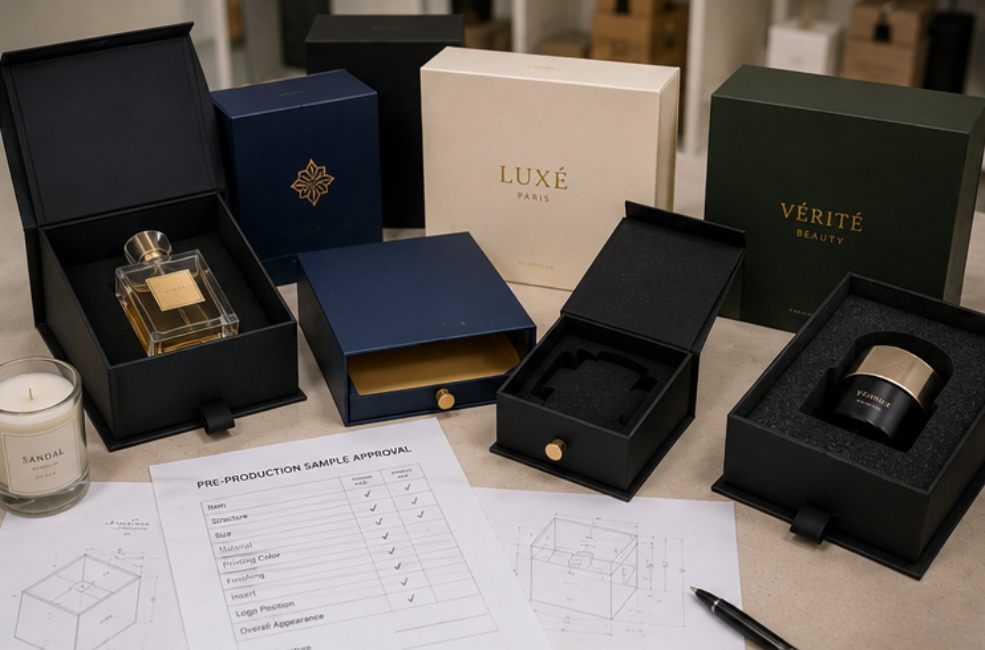
1. Avoid Color Difference Before Mass Production
Problem What Buyers Should Confirm Color difference Pantone color, reference sample and printed proof Insert mismatch Real product fitting, insert material and cavity size Foil misalignment Logo position, foil area and tolerance control Surface defects Scratches, glue marks, bubbles and edge wrapping 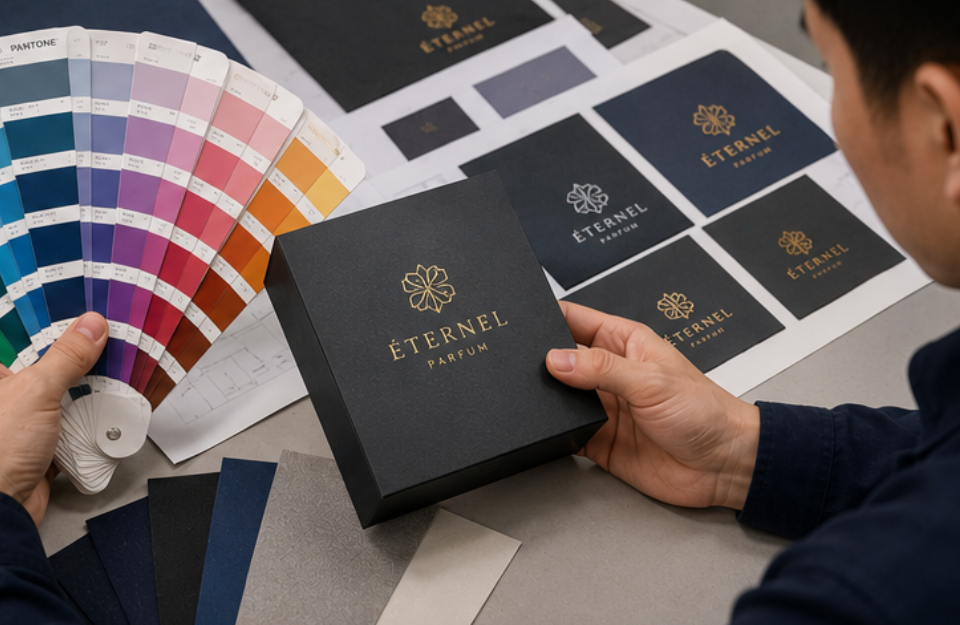
2. Check Insert Fit With Real Products
3. Inspect Finishing And Export Packing
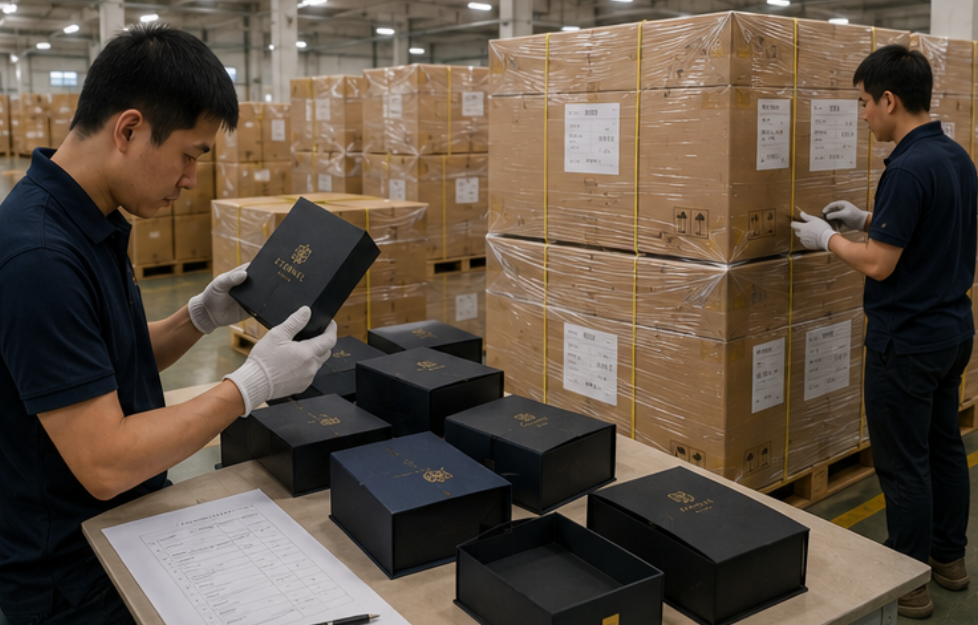
Rigid Box Bulk Order Checklist
Need Reliable Rigid Box Bulk Production?
