

Cosmetic Packaging Must Win Attention Quickly Without Losing Clarity
Cosmetic packaging often competes in fast-moving retail and online environments where customers decide quickly. Buyers should therefore prioritize packaging that creates immediate visual interest while still making product type, shade, and brand message easy to understand. A premium image does not mean overloaded decoration. In many cases, cosmetic packaging performs best when it combines a strong visual identity with clear information hierarchy. If the logo, product name, or key claim gets lost in excessive design detail, the packaging may look expensive but sell less effectively.
Buyers should check how the front-facing panel works from a distance, how side panels support brand storytelling, and whether the packaging creates recognition across a wider product range. Cosmetic lines usually include multiple SKUs, so packaging needs enough system logic to feel unified while still helping each item stand out. Strong retail packaging is not only beautiful in close-up photography. It also works under real shelf pressure and helps products move faster.
Premium Image Comes From Discipline In Materials And Detail
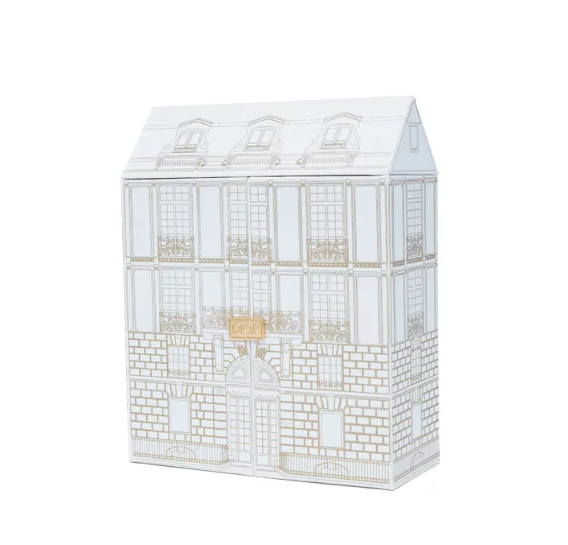
To build a premium cosmetic packaging line, buyers should pay attention to the quality of execution rather than only design concept. Clean edges, accurate color, strong print registration, refined finishing, and appropriate material thickness all contribute to how premium the product feels in hand. A customer can sense inconsistency quickly, especially with beauty products. If the box feels too light, the board flexes too easily, or the finish wears down during transport, the premium image weakens immediately.
Different cosmetic categories may need different packaging expressions. Foundation, blush, powder, and skincare-adjacent beauty products each communicate value in different ways. Some perform better with a smooth and minimal structure, while others can support bolder metallic accents or more decorative touches. Buyers should make sure the packaging style matches the intended retail environment and price point. Premium packaging should increase confidence, not create confusion about who the product is for.
Fast Turnover Requires Packaging That Supports Display And Inventory Logic
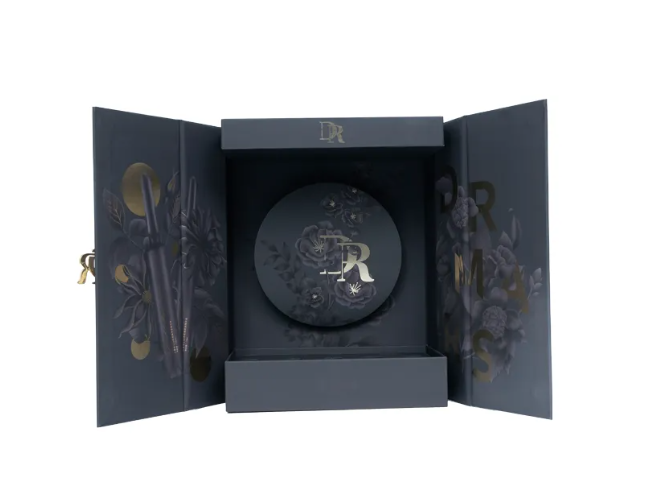
Retail turnover depends not only on attractiveness but also on how well packaging works in merchandising and stock management. Buyers should think about barcodes, shade labels, outer carton coding, case-pack efficiency, and whether the packaging is easy for store staff to handle. Cosmetic packaging should support fast replenishment, quick identification, and clean shelf presentation. If the packaging looks luxurious but slows down retail operations, the overall performance may suffer.
It is also useful to test how the packaging behaves in real handling: can it resist minor compression, maintain edge quality, and stay visually fresh after repeated contact? Products that sell quickly are touched more often, moved more often, and replenished more often. Packaging that supports this flow can improve both brand presentation and sales rhythm. Buyers who combine premium design with retail practicality usually build stronger cosmetic packaging systems.
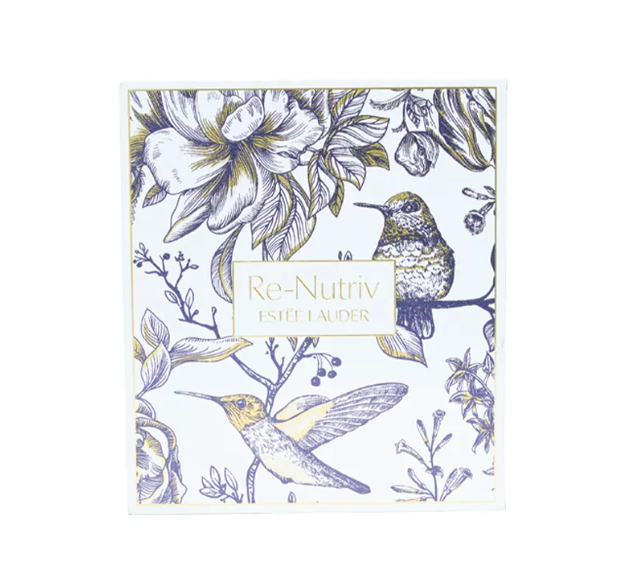
The best cosmetic packaging combines fast visual recognition, disciplined premium execution, and real retail practicality. Buyers who think about display, handling, and stock movement at the same time as branding will create packaging that not only looks high-end but also sells more effectively.
Related product and article resources
For procurement comparison and technical evaluation, readers can continue with these related product pages and supporting articles.
