

How To Choose Sustainable Packaging For Premium Brands
A practical guide for premium brands to choose eco-friendly packaging materials, structures and finishes without losing luxury presentation.
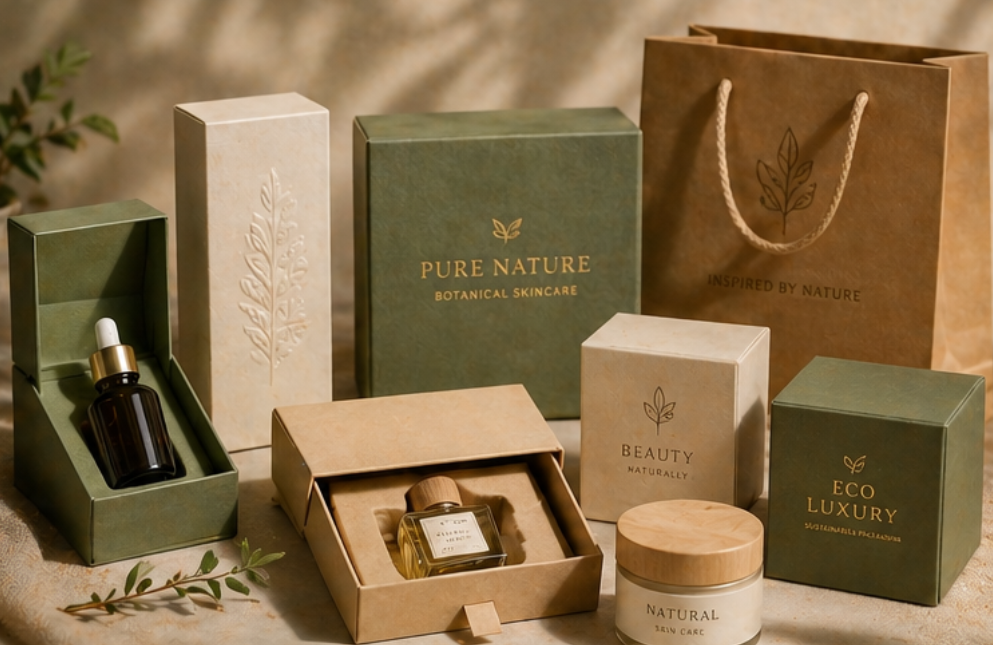
Why Sustainable Packaging Matters For Premium Brands
Premium packaging is no longer only about luxury appearance. More brands now need packaging that looks refined, protects the product and supports sustainability goals. For cosmetics, perfume, jewelry, gift products and high-end retail goods, eco-friendly packaging can improve brand trust and match the values of modern consumers.
However, sustainable packaging should not feel cheap or weak. Buyers need to balance material quality, structure strength, surface finish, recyclability, protection performance and brand presentation before placing an order.
1. Choose Recyclable Paper-Based Materials
Paper-based materials are often the first choice for sustainable premium packaging. Options include recyclable paperboard, kraft paper, FSC paper, specialty recycled paper and molded pulp. These materials can be used for rigid boxes, folding cartons, paper bags and inserts.
For premium brands, the key is to choose paper that has both strength and texture. A thick rigid board with recycled specialty paper can still create a high-end look, while kraft paper can work well for natural, organic and clean beauty brands.
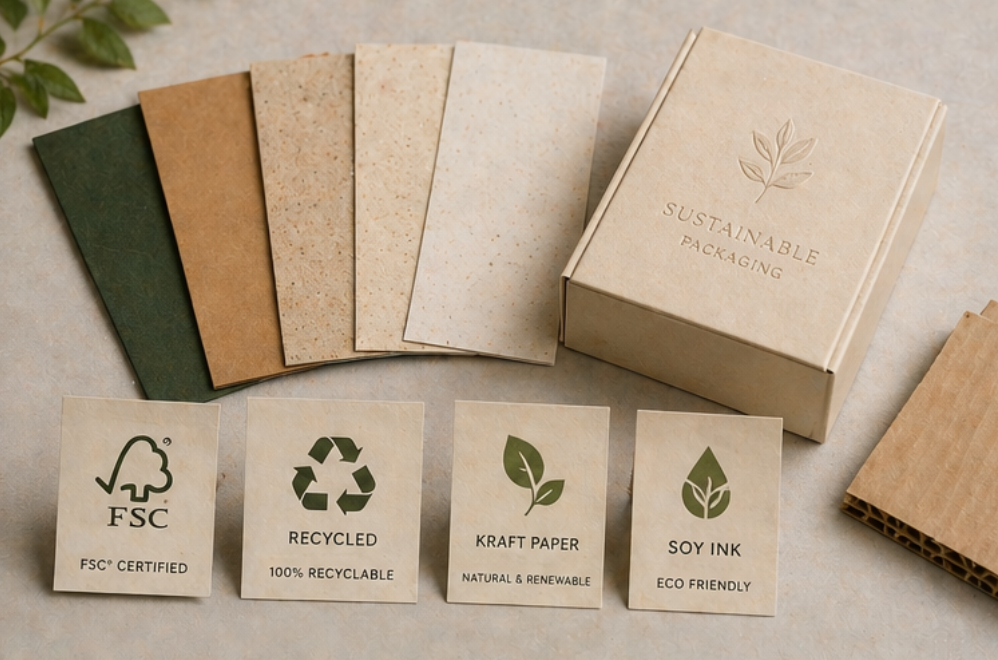
2. Reduce Plastic Inserts And Unnecessary Components
Many traditional luxury boxes use plastic trays, excessive foam or complicated decorative parts. These components may improve appearance, but they can reduce recyclability and increase environmental impact. Premium brands can choose paperboard inserts, molded pulp trays or cardboard dividers instead.
A well-designed paper insert can hold perfume bottles, skincare jars, jewelry or gift sets securely while keeping the packaging more sustainable. The insert should still be tested for product stability, especially for export shipping.
3. Select Finishing Methods Carefully
Surface finishing affects both luxury appearance and recyclability. Matte lamination, foil stamping, embossing, debossing, spot UV and soft-touch coatings can make packaging look premium, but some finishing methods may make recycling more difficult.
For sustainable premium packaging, buyers can use minimal finishing with strong design impact. For example, embossing on textured paper, simple foil stamping on recyclable paper, or one-color printing on kraft paper can create a refined look without over-processing the box.
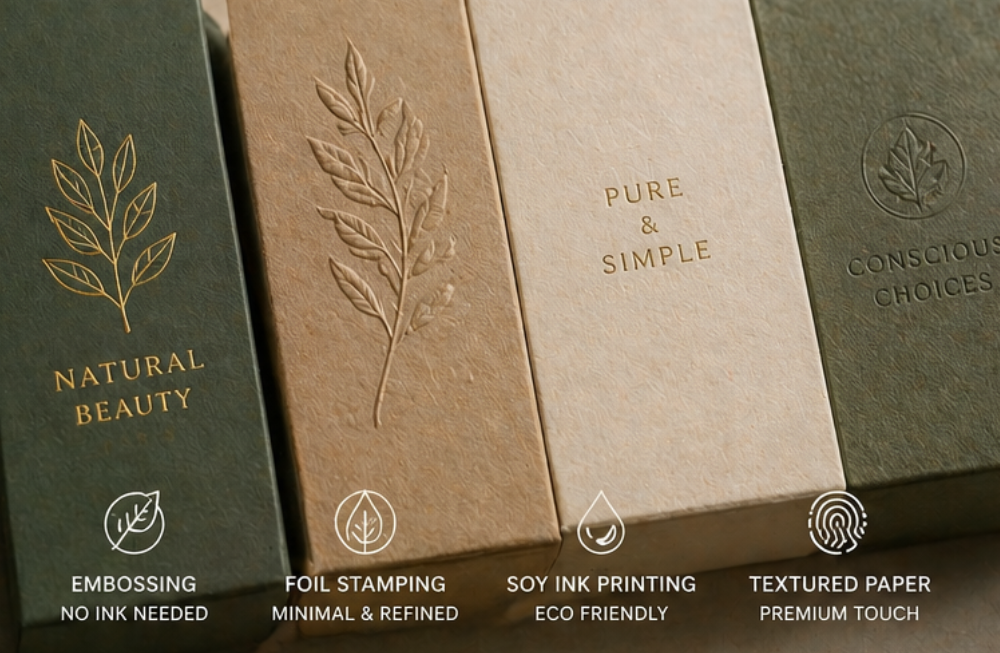
4. Match Sustainability With Product Protection
Sustainable packaging must still protect the product. For fragile perfume bottles, cosmetic jars, glass containers and premium gifts, the box structure and insert design should prevent movement, crushing and surface damage during transport.
Buyers should confirm board thickness, insert fitting, export carton strength and moisture protection. If a material is eco-friendly but cannot protect the product well, it may cause higher damage rates and create more waste.
| Sustainable Option | Best Use | Buyer Check |
|---|---|---|
| FSC Paper | Premium cartons and rigid boxes | Confirm certification and paper texture |
| Kraft Paper | Natural and organic brand packaging | Check color consistency and print effect |
| Molded Pulp Insert | Bottle, jar and product protection | Test product fitting and strength |
| Paperboard Insert | Cosmetics, gift sets and light products | Check stability during shipping |

Buyer Checklist For Sustainable Premium Packaging
Choose recyclable paperboard, FSC paper or recycled specialty paper.
Reduce plastic trays, excessive foam and unnecessary decorative parts.
Use molded pulp or paperboard inserts when possible.
Keep finishing simple but premium, such as embossing or minimal foil stamping.
Confirm whether the packaging structure can protect the product during export shipping.
Request material samples and complete box samples before mass production.
Check printing performance, color consistency and surface texture.
Balance sustainability, cost, protection and luxury presentation.
Conclusion
Sustainable packaging for premium brands should combine eco-friendly materials, refined design, strong protection and a high-quality unboxing experience. Recyclable paper, FSC paper, kraft paper, molded pulp inserts and reduced plastic components are all practical choices.
The best solution is not simply the most “green” material, but the packaging that fits your product, protects it well and communicates your brand value clearly.
Need Sustainable Custom Packaging?
Contact us to discuss recyclable paper, FSC paper, molded pulp inserts and sustainable packaging solutions for your premium brand.
Get Quote Contact UsRelated product and article resources
For procurement comparison and technical evaluation, readers can continue with these related product pages and supporting articles.
