

Liquor Packaging Must Combine Ceremony With Real Protection
Liquor packaging is often expected to feel festive, premium, and gift-worthy, but it also carries one of the highest transit risks because of glass weight and bottle shape. Buyers should begin by making sure the structure is designed around bottle dimensions, neck stability, and impact protection rather than only decorative ideas. A liquor box should support the bottle firmly enough to reduce shock during handling while still creating a rewarding opening experience for the customer.
For gift-focused liquor products, the outer presentation can strongly influence buying decisions. However, buyers should avoid designs that look impressive but leave too much internal space or rely on weak support points. Handles, windows, unusual shapes, and oversized lids may all increase visual value, but they must be tested against real transport conditions. Packaging that enhances gifting without compromising protection will perform far better in real export and retail operations.
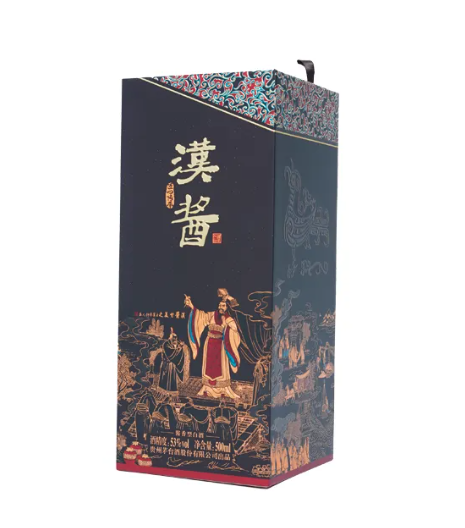
Gift Value Comes From Structure, Detail, And Story Alignment
A liquor box feels more valuable when its design supports the story of the bottle instead of competing with it. Buyers should think about how the box opens, how the bottle is revealed, and whether materials and finishes reflect the positioning of the liquor inside. A premium whiskey, ceremonial baijiu, craft spirit, or festive wine set may each need a different packaging language. Some call for stronger heritage and texture, while others benefit from a cleaner, more modern expression.
Gift value is often created through controlled details such as foil placement, embossing, insert fit, inner printing, and the rhythm of the unboxing sequence. Buyers should focus on whether these details feel coherent rather than excessive. The bottle should remain the hero, while the packaging builds anticipation and strengthens the sense of occasion. When structure and visual storytelling work together, the packaging can raise perceived value without simply becoming bigger or more expensive.
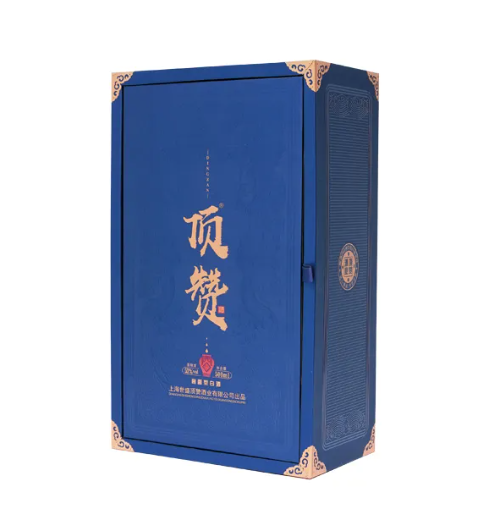
Transit Damage Control Should Be Part Of The Design From Day One
Liquor packaging becomes risky when transport protection is treated as an afterthought. Buyers should review insert cushioning, bottle neck locking, outer carton strength, stacking performance, and how the packaging behaves under compression and vibration. Even small movement inside the box can create scuffing, label damage, or presentation issues after arrival. Premium liquor boxes should therefore be tested not only for appearance but also for practical delivery performance.
Export efficiency matters too. Buyers should ask whether the box shape wastes freight space, whether master cartons remain stable, and whether decorative features create avoidable damage risk. A liquor box that arrives beautifully is far more valuable than one that looks impressive in sample review but creates breakage complaints in actual shipments. Good design in this category always includes a logistics mindset.
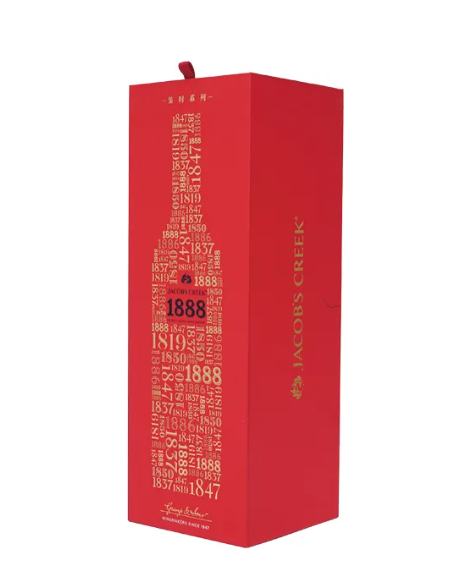
Liquor packaging adds gift value most effectively when it combines strong ceremony, disciplined storytelling, and built-in transit protection. Buyers who consider bottle safety, unboxing flow, and shipping efficiency together will create liquor packaging that performs well both as a gift and as an export product.
Related product and article resources
For procurement comparison and technical evaluation, readers can continue with these related product pages and supporting articles.
