

Identify Risk Points Before Quotation And Sampling
Risk in custom printed packaging usually starts when buyers request pricing too early and specifications too late. Before comparing quotations, buyers should clarify product dimensions, artwork status, color expectations, surface finishing, insert requirements, order quantity, destination market, and shipping method. If these points remain unclear, the quoted price may be misleading and later changes can create cost overruns, delays, or quality disputes. Buyers should also identify which parts of the project are high-risk: exact color matching, fragile surfaces, complex box structure, multiple SKUs, or tight launch deadlines. Once the major risks are visible, it becomes easier to ask the right questions and control the project before money is committed.
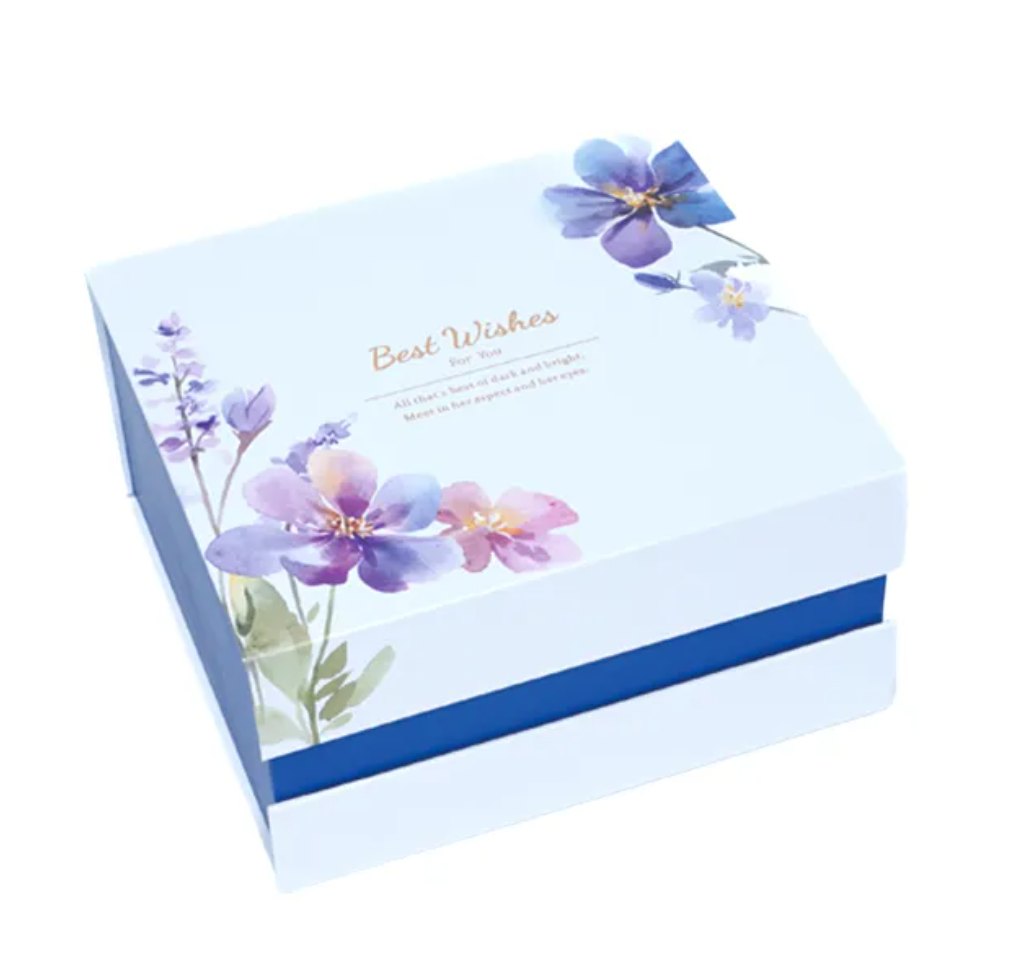
Use Sample Approval And Production Files To Lock The Standard
A physical sample is not enough unless it is supported by a complete production file. Buyers should make sure the approved sample is linked to final artwork, dimension drawings, finishing notes, packing instructions, carton markings, and acceptance criteria. This reduces the risk of misunderstanding between design, purchasing, production, and logistics teams. For printed packaging, color reference is especially important. Pantone numbers, approved printed swatches, and finish notes should all be locked before mass production begins. If there are inserts, tissue paper, ribbon, labels, or multilingual stickers, these should also be approved together rather than separately. Packaging projects become risky when one detail is confirmed late and forces the rest of the process to change.
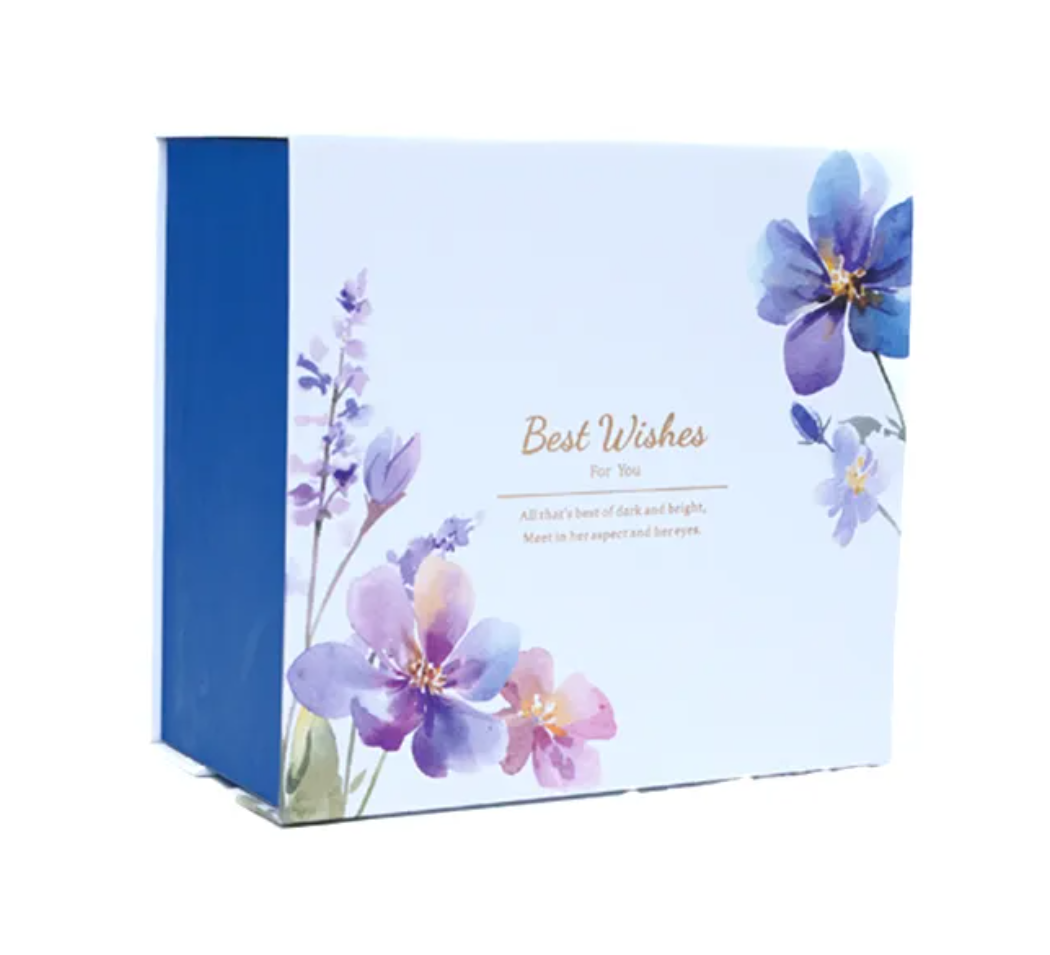
Review Delivery Risk, Shipping Protection, And Reorder Security
Buyers should also think beyond the first shipment. Export packaging projects face risks from humidity, abrasion, compression, customs handling, and warehouse stacking. It is worth checking inner bag protection, carton board strength, corner protection, pallet strategy, and loading efficiency. Buyers should ask whether the packaging has been packed in a way that reduces transit damage and keeps products presentation-ready after arrival. Another key point is reorder security. If the project launches well, can the same packaging be repeated without major variation? Good procurement decisions reduce risk not only in one order, but across the entire product lifecycle.
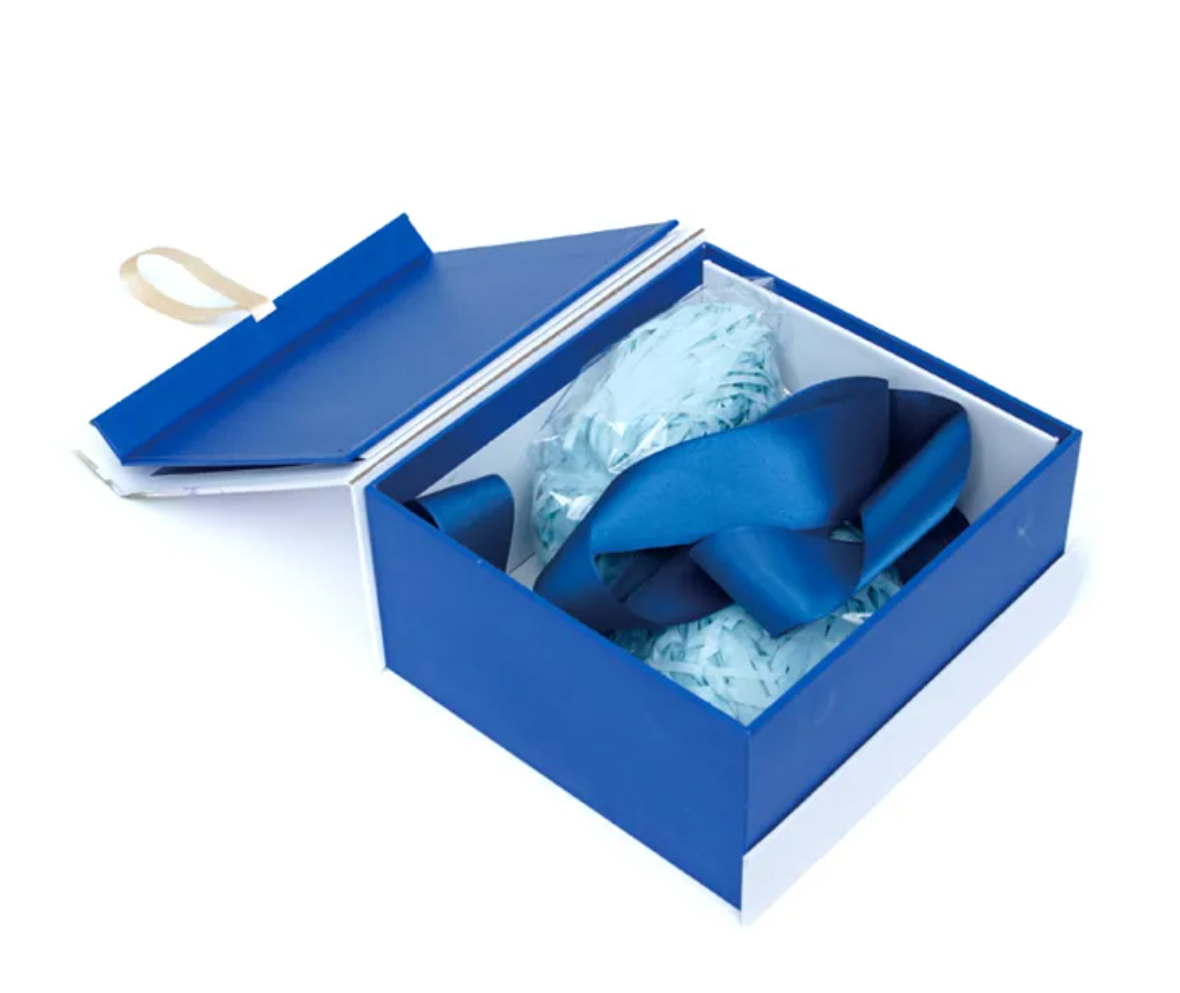
To reduce risk in custom printed packaging, buyers should define specifications early, lock standards with complete approval files, and check delivery conditions as carefully as print quality. The safest packaging project is not the cheapest one at quotation stage. It is the one that remains predictable from sample approval to final market arrival.
Related product and article resources
For procurement comparison and technical evaluation, readers can continue with these related product pages and supporting articles.
