

Jewelry Boxes Should Present Small Products With Strong Emotional Value
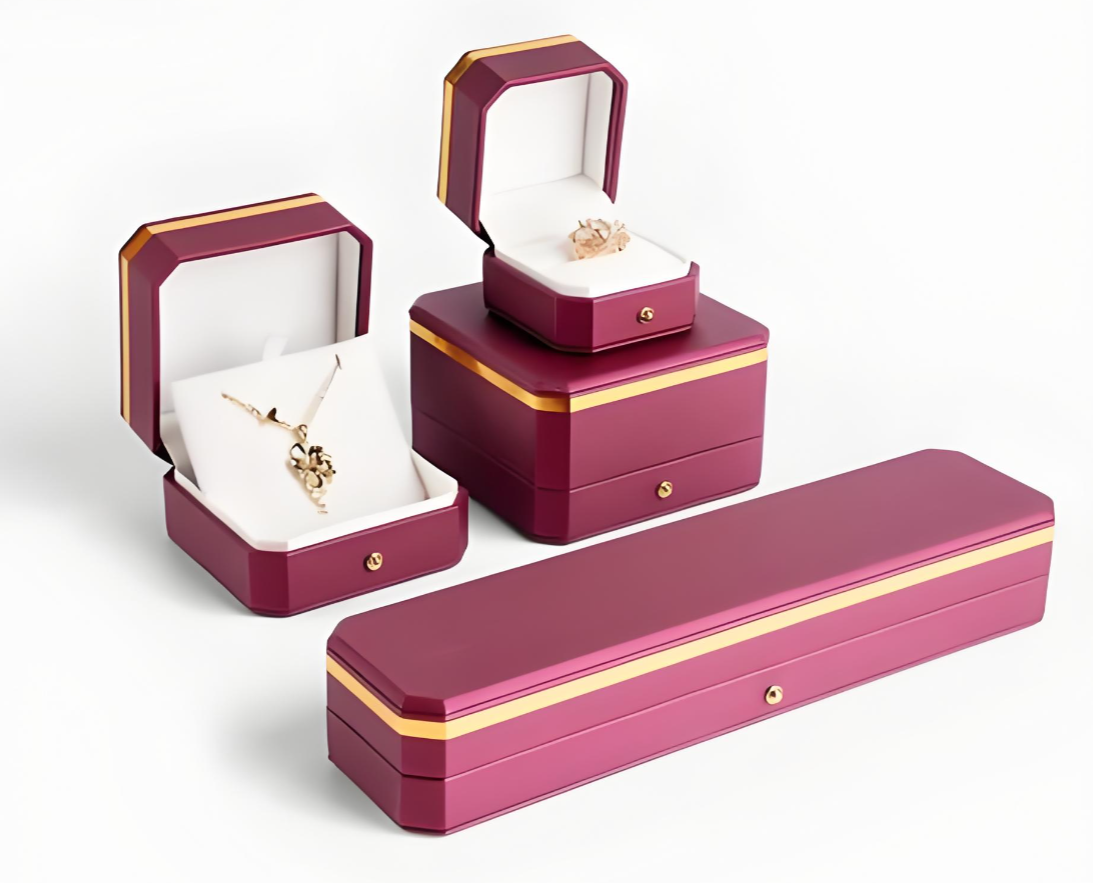
Jewelry packaging often carries more emotional weight than its size suggests. Rings, necklaces, bracelets, and earrings are compact, but they are usually purchased for gifting, celebration, or personal significance. Buyers should therefore select jewelry boxes that create a strong sense of occasion while keeping the product secure and well framed. The interior should hold the piece in place with confidence, and the opening experience should feel deliberate rather than flimsy or overly complicated.
Presentation is especially important in jewelry because the box often becomes part of the gift itself. Buyers should evaluate proportions, insert fit, lid stability, and how the jewelry is revealed when the box opens. A well-designed jewelry box makes the product look more valuable without needing excessive decoration. The focus should remain on the piece, supported by a packaging environment that feels elegant, clean, and balanced.
Structure And Cushioning Need To Reduce Movement In Transit
Because jewelry is small and often lightweight, people sometimes underestimate shipping risk. In reality, internal movement, surface scratching, and misalignment can damage presentation even when the product itself is not broken. Buyers should check whether inserts grip the item securely, whether chains or pendants shift during transport, and whether the outer box protects the jewelry from pressure and abrasion. Soft interior materials may add luxury, but they must also support stability.
Shipping protection also depends on outer packing efficiency. Jewelry boxes should be compact enough to avoid wasted shipping volume while still feeling premium. Oversized boxes may increase freight cost and create more internal movement. Buyers should look for balance: enough substance to create gift value, but not so much space that the box becomes inefficient or risky in transit. A jewelry box is successful when it arrives looking intentional and pristine, not merely undamaged.
The Best Jewelry Boxes Support Brand Memory And Reuse
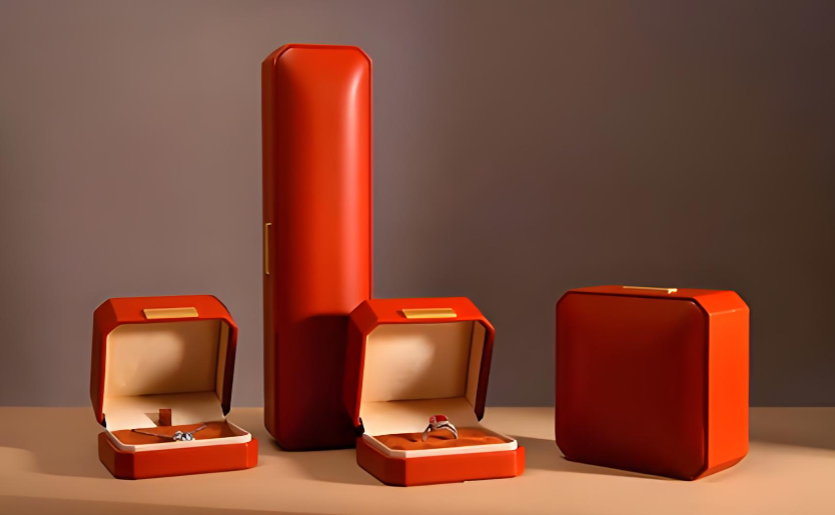
A strong jewelry box does more than deliver the product once. It encourages customers to keep it, reuse it, and remember the brand. Buyers should consider whether the box design is timeless enough for repeated use, whether the insert remains functional after opening, and whether the box still looks attractive on a dresser or in a drawer. Reusable packaging can strengthen brand loyalty because it stays in the customer’s daily environment long after purchase.
This long afterlife is especially important for premium jewelry lines. The box should feel sturdy, refined, and worth keeping. Buyers should select materials, colors, and finishes that age well instead of wearing out quickly. Packaging that remains useful after purchase increases both perceived value and long-term brand exposure. For jewelry, that quiet durability can be more powerful than short-term visual impact alone.
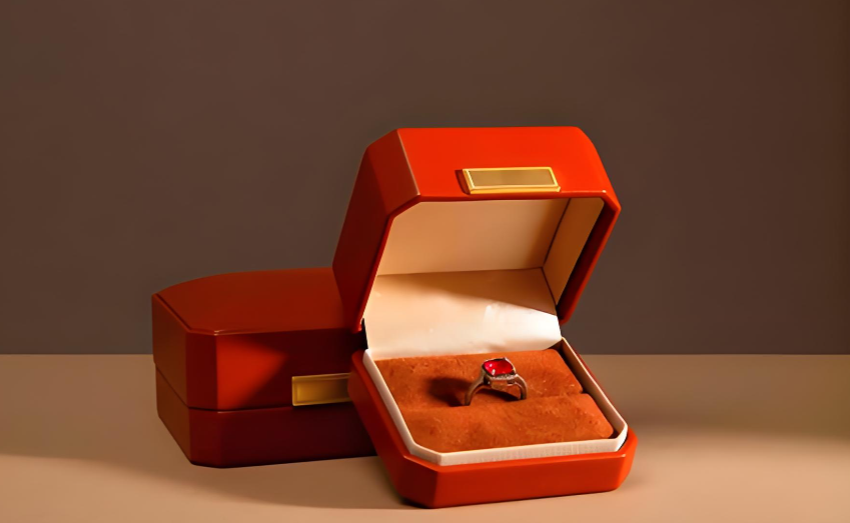
The ideal jewelry box improves gifting presentation, protects delicate items in transit, and stays valuable after purchase through reuse and brand memory. Buyers who balance elegance, cushioning, compactness, and after-use appeal will create jewelry packaging that performs both emotionally and commercially.
Related product and article resources
For procurement comparison and technical evaluation, readers can continue with these related product pages and supporting articles.
