

Creating the First Impression: Structure, Materials, and Sensory Appeal
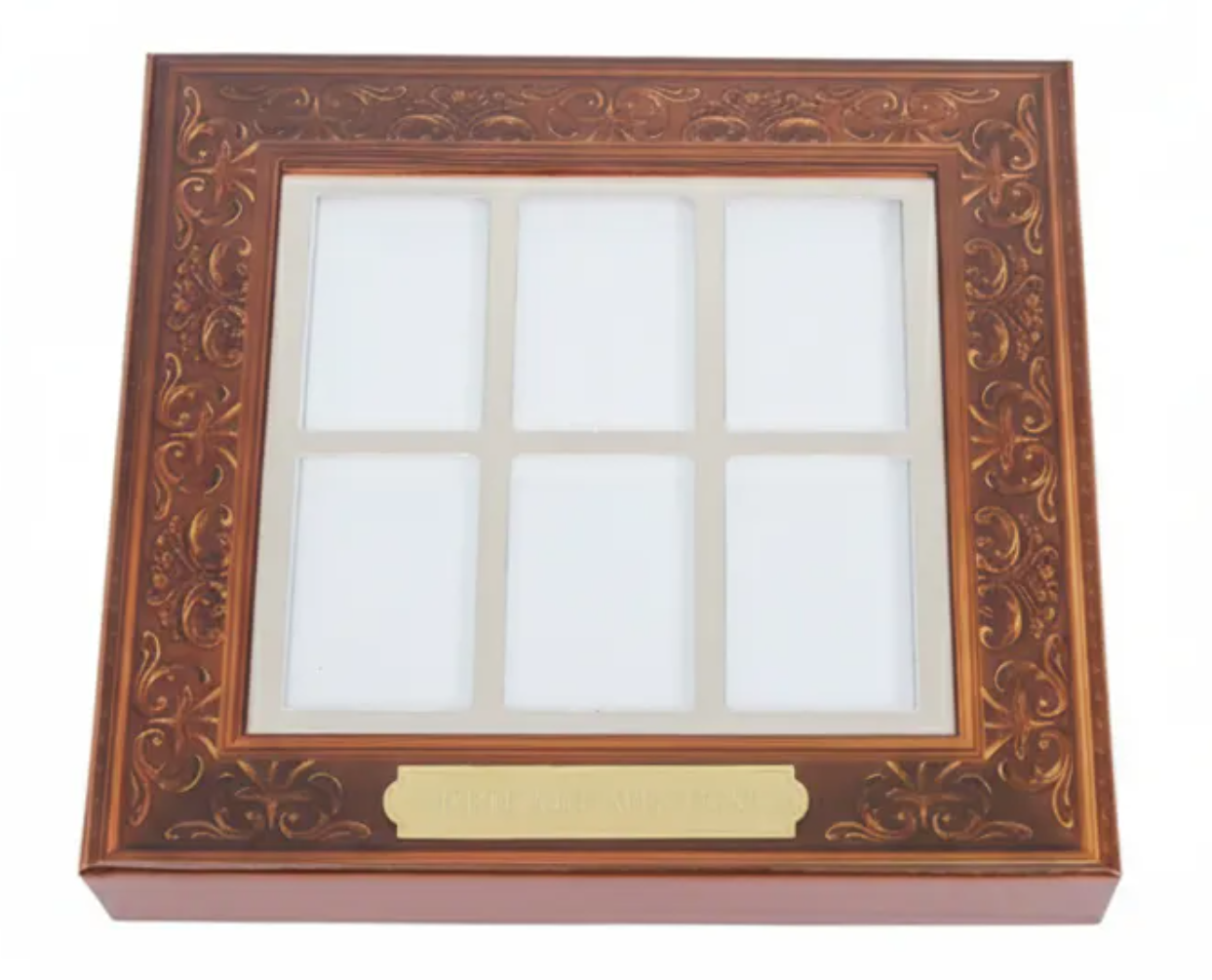
The art of luxury chocolate gift box design begins the moment it is seen and touched, where it must instantly communicate its premium nature. This initial encounter is orchestrated through sophisticated structural design and material selection. Unlike standard folding cartons, luxury chocolate boxes often employ rigid, two-piece constructions with deep bases and fitted lids, or elegant drawer-style mechanisms that promise a reveal. The choice of materials is paramount; it must satisfy both aesthetic and functional needs. This involves using high-density, food-safe paperboard, often laminated with luxury finishes such as soft-touch matte films, textured linen papers, or pearlescent stocks that invite touch. The structural form is not arbitrary—it must provide secure, individual compartments or custom-molded inserts (from foam or recycled pulp) to cradle each chocolate, preventing movement and damage, a critical consideration for both gifting and retail handling. The tactile experience of opening a sturdy, well-made box—the weight in hand, the smooth glide of a drawer, the satisfying closure of a magnet—sets a powerful expectation of the quality within, making the packaging an integral part of the gift itself.
The Visual Narrative: Storytelling Through Graphics and Finishing
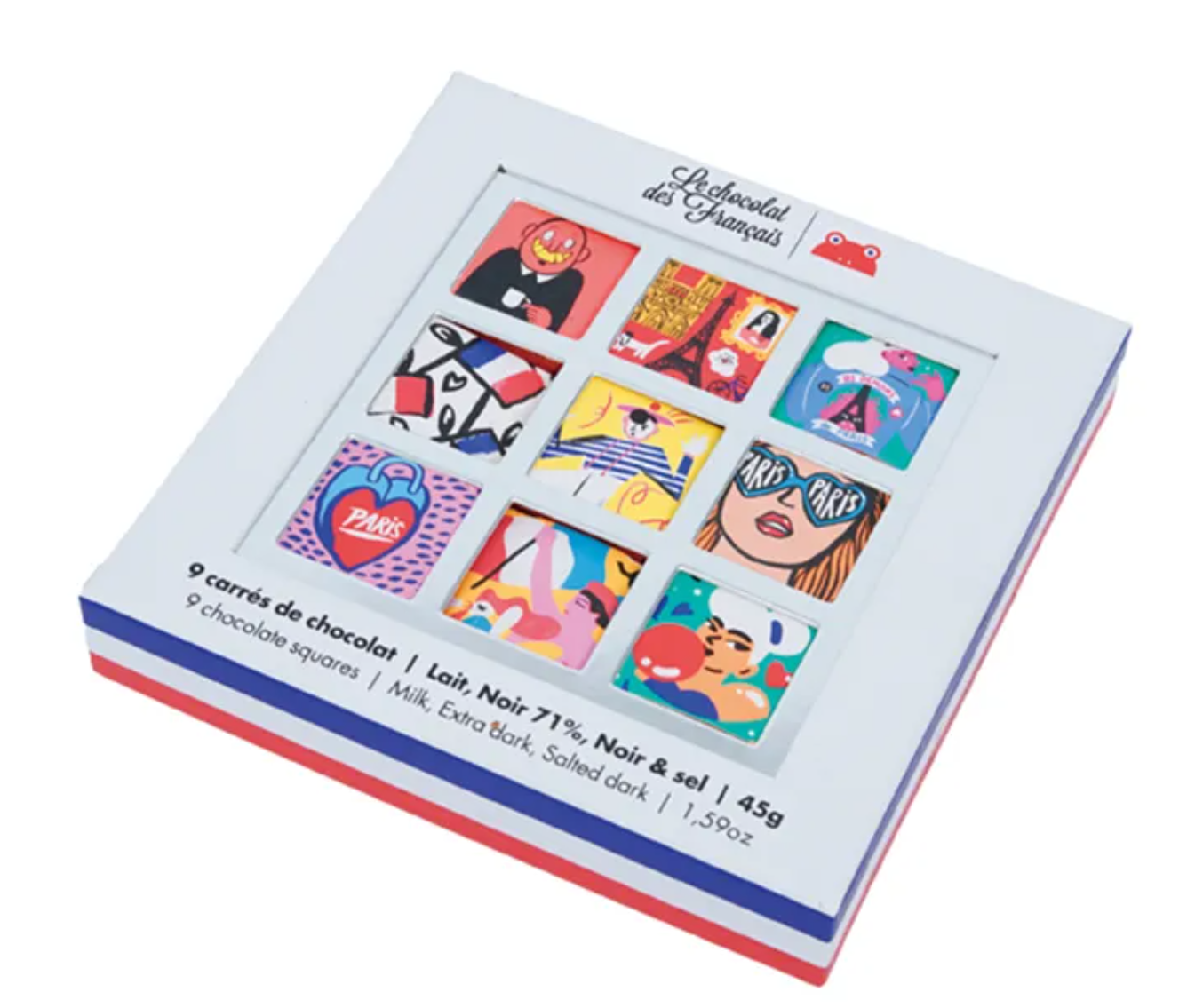
Once the structural foundation is set, the surface becomes the canvas for visual storytelling. In luxury chocolate, the narrative often revolves around origin, craftsmanship, and indulgence. The graphic design and printing must convey this with impeccable clarity and richness. This goes beyond simple branding; it involves using artistry to illustrate the source of the cacao, the artisanal process, or the inspiration behind unique flavors. The application of specialty printing finishes is what transforms a design from ordinary to extraordinary. Hot foil stamping in gold, silver, or custom colors adds a gleam of sophistication. Embossing and debossing create a three-dimensional texture that can mimic cocoa bean patterns, intricate lace, or brand monograms. Spot UV coating can be used to create glossy, tactile contrasts that highlight key design elements. The color palette itself is deliberate, often using deep, rich tones or elegant neutrals to evoke a sense of premium quality. For retail, this visual drama is essential for shelf impact, stopping browsing customers and conveying a story of quality that justifies a premium price point. For gifting, it elevates the present into a curated experience, where the box itself is a keepsake that tells a story long after the chocolates are enjoyed.
Engineering for Purpose: Protection, Presentation, and Gifting Ritual
The ultimate artistry lies in seamlessly integrating beauty with unwavering functionality. A luxury chocolate box is a precision system engineered for optimal product protection and presentation. The interior configuration is critical. Custom die-cut trays or foam inserts must hold each piece securely in its own cell, preventing contact and temperature-related bloom during transport and storage. The box must also be designed for the gifting ritual. Features like a magnetic closure or a satin ribbon lift the act of opening to a ceremonious reveal. The interior presentation upon opening should be immaculate, with each chocolate perfectly positioned, perhaps nestled on a bed of custom tissue paper or nestled within a foil-lined cup. Furthermore, considerations for retail practicality are vital. The box must be robust enough to withstand customer handling, stack neatly on shelves, and may include features like an integrated header for pegging or a clear acetate window for product visibility without compromising freshness. Sourcing from a manufacturer like Yingmei, which masters this union of food-grade safety, structural integrity, and aesthetic refinement, ensures the packaging performs flawlessly in both the retail environment and the intimate moment of gifting, completing the luxury experience.
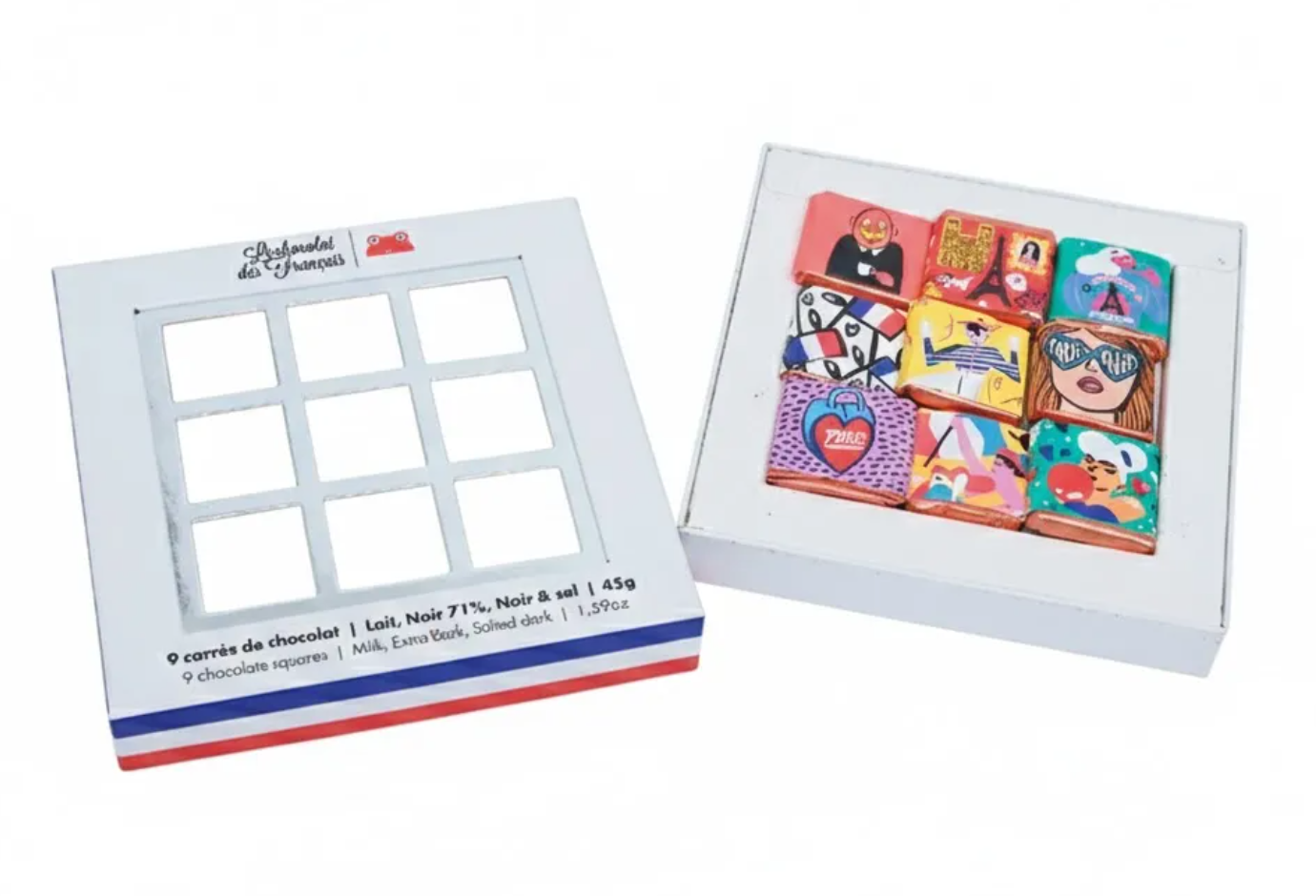
The art of luxury chocolate gift box design is a multidisciplinary craft that balances structural innovation, material prestige, and visual storytelling to create an object of desire. It must first captivate through tactile and visual sophistication, then narrate a compelling brand story through exquisite graphics and finishes, and finally, execute with precision to protect the delicate product and enhance the rituals of retail and gifting. When these elements are masterfully combined, the packaging transcends its functional role to become an essential component of the brand’s value proposition, transforming fine chocolates into an unforgettable, multi-sensory experience that delights both the giver and the receiver.
