

What Buyers Should Check Before Ordering Custom Packaging Boxes
A practical checklist for importers, brand owners and distributors to reduce risk, control cost and ensure packaging quality before placing a custom packaging order.
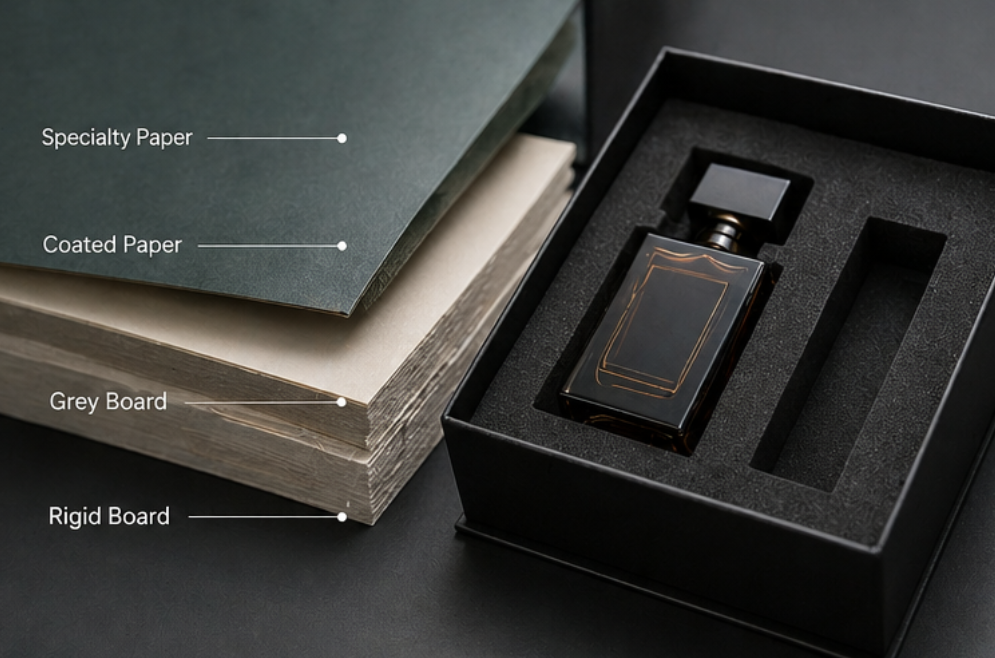
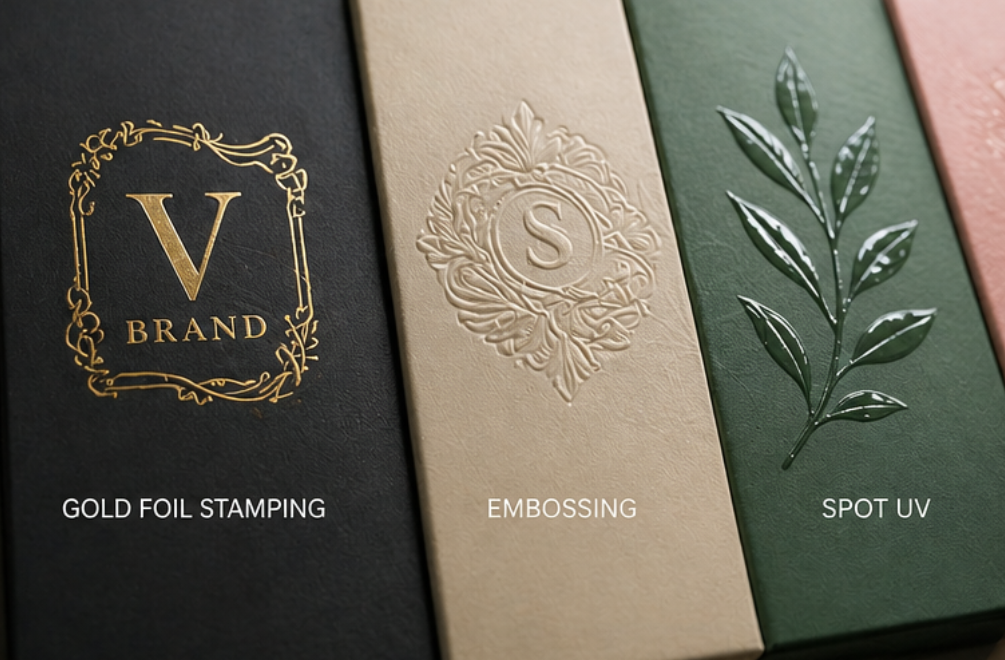
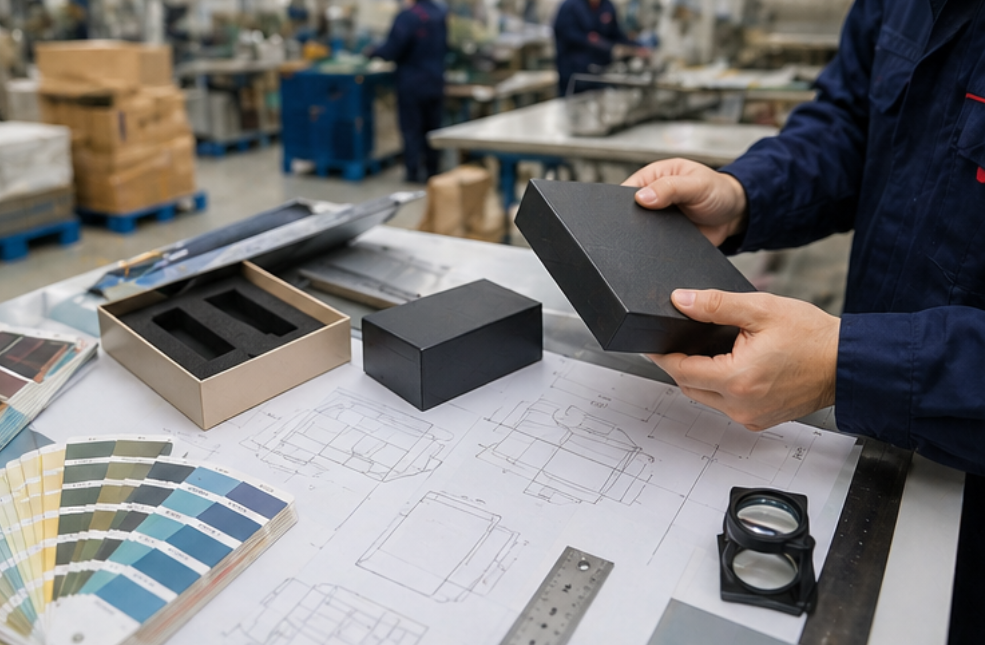
The first step before ordering custom packaging boxes is to confirm whether the box structure matches your product. Different products require different structures such as rigid boxes, folding cartons, drawer boxes or magnetic closure boxes. A wrong structure may cause product damage or poor presentation. Buyers should provide product size, weight and shape to ensure the packaging fits perfectly. For fragile products such as perfume bottles, electronics or glass items, inner inserts must be designed to prevent movement during transport. Packaging material directly affects strength, durability and appearance. Buyers should confirm paper type, thickness and whether the material meets their brand positioning. For luxury packaging, rigid grey board and specialty paper are commonly used. If sustainability is important, recyclable materials, FSC paper and eco-friendly options should be clearly specified. Low-quality materials may reduce product value perception and increase damage risk. Printing quality and surface finishing play a key role in brand presentation. Buyers should confirm color accuracy, logo placement and finishing methods such as foil stamping, embossing, matte lamination or UV coating. Providing Pantone color codes and high-resolution artwork files is essential. Always request a physical sample before mass production to avoid color differences or design errors. Inner inserts are critical for protecting products during shipping. Common insert materials include EVA foam, paper inserts and molded pulp. The insert should hold the product firmly without damaging it. Buyers should test packaging with drop tests and transport simulations, especially for export orders. A well-designed insert reduces breakage risk and improves customer experience. Minimum order quantity, production lead time and pricing structure vary depending on materials, complexity and finishing. Buyers should confirm these details early to avoid delays or unexpected cost increases. Understanding what affects cost — such as box size, material, printing and finishing — helps buyers optimize their packaging design within budget. For international buyers, export packaging is just as important as the product packaging itself. Carton strength, palletizing method and moisture protection should all be confirmed before shipment. Proper export packaging ensures that goods arrive safely without deformation, moisture damage or breakage during long-distance transportation. Confirm product size, weight and packaging structure Choose suitable material and thickness Provide artwork files and color requirements Confirm surface finishing options Check insert design and protection performance Request and approve samples Confirm MOQ, lead time and pricing Verify export packaging and shipping method Contact us to get professional packaging solutions, accurate quotation and sample support for your project.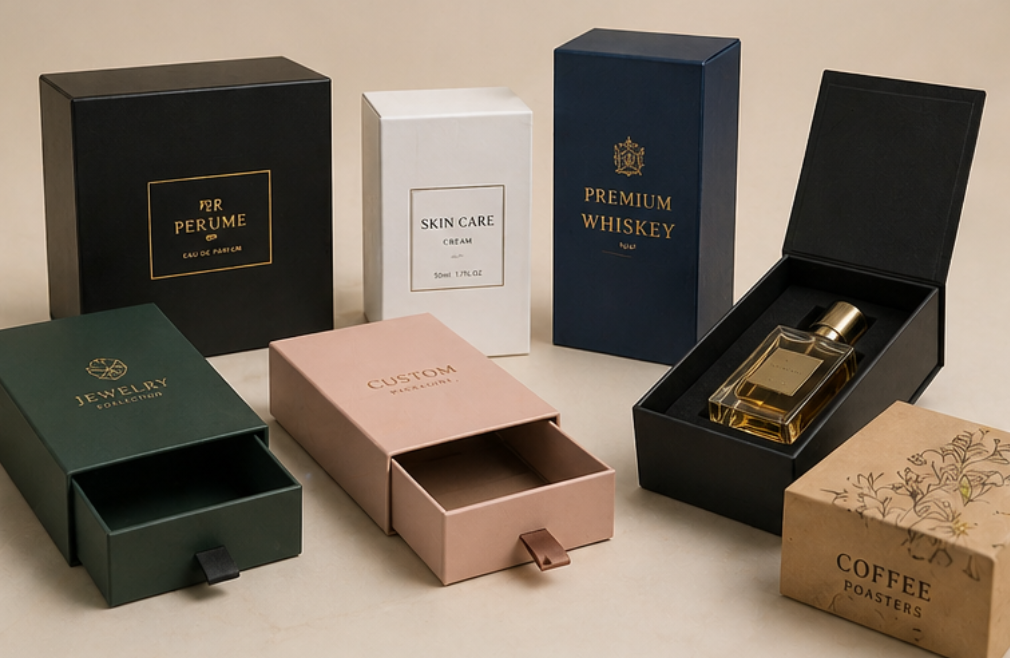
1. Confirm Box Structure And Product Fit
2. Check Material Quality And Thickness
3. Verify Printing And Surface Finishing
4. Evaluate Insert Design And Protection
5. Confirm MOQ, Lead Time And Cost Structure
6. Check Export Packaging And Shipping Safety
Buyer Checklist Before Ordering
Need Reliable Custom Packaging Boxes?
