

Tea Packaging Should Protect Product Character, Not Just Contain It
Tea is often purchased for flavor, aroma, heritage, and gifting, so buyers should choose packaging that protects these qualities while expressing them clearly. Freshness matters, but so does the emotional and cultural value of tea. The right tea packaging should support internal protection for the tea format while also creating a calm, trustworthy outer presentation. Buyers should consider whether the box is designed around loose-leaf pouches, sachets, tins, or gift assortments and whether the internal organization feels intentional rather than decorative for its own sake.
Tea packaging becomes stronger when it preserves the product’s identity all the way from warehouse to end use. The structure should help maintain neatness, prevent unnecessary movement, and support repeated opening where relevant. Tea buyers often value refinement over excess, so packaging should feel controlled, not overloaded. A well-chosen tea box can make the product feel more authentic and more suitable for both personal purchase and formal gifting.
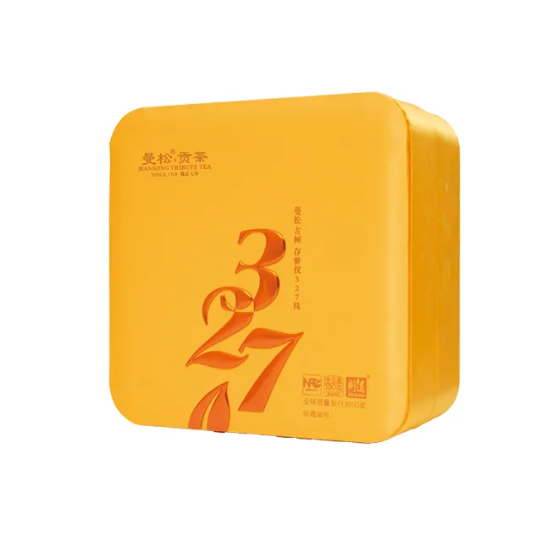
Storytelling Matters Because Tea Often Sells Through Origin And Ritual
Tea is one of the few categories where packaging often needs to communicate origin, season, craft, and ritual at the same time. Buyers should think about how the design language supports this. Materials, surface touch, color tone, and typography can all help frame the tea as traditional, premium, modern, wellness-oriented, or gift-focused. The key is to make the story feel believable. Packaging that is too generic weakens the product’s identity, while packaging that is too decorative can feel disconnected from the quiet sophistication many tea buyers expect.
A strong tea packaging system should also help organize product information. Buyers should make sure blend names, origin details, brewing guidance, and product format are easy to understand. The most effective tea packaging tells a clear story without becoming cluttered. It creates a mood, supports education, and adds to the sense of ritual that tea drinkers value.
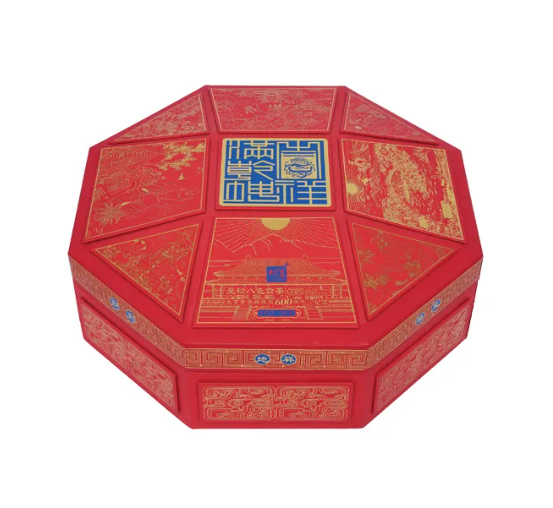
Export Presentation Requires Packaging That Travels Well And Looks Stable
Tea packaging aimed at export must still look polished after shipping, customs handling, and retail presentation. Buyers should check carton efficiency, corner stability, internal arrangement, and how the packaging behaves in different climates. Gift-ready tea packaging often includes premium surfaces or layered structures, but these should be reviewed against long-distance logistics. It is not enough for the tea box to look beautiful in showroom conditions. It must also arrive looking composed and ready for sale.
Buyers should also think about how tea packaging fits into broader market presentation. Can it support premium gifting, seasonal bundles, hotel or corporate use, and online storefront photography? Export-ready tea packaging is strongest when it protects freshness, tells the origin story, and stays visually elegant across many commercial settings. That versatility adds lasting value.
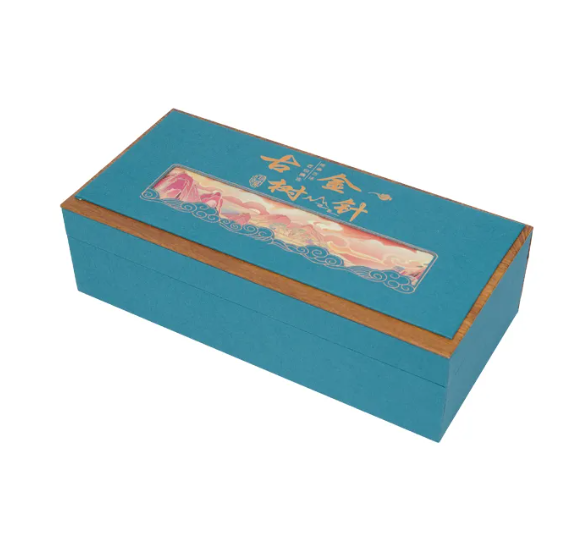
The best tea packaging protects freshness, communicates origin and ritual clearly, and remains elegant throughout export and retail presentation. Buyers who combine product protection, cultural storytelling, and travel stability will create tea packaging that feels authentic, premium, and commercially versatile.
Related product and article resources
For procurement comparison and technical evaluation, readers can continue with these related product pages and supporting articles.
