

Aroma Protection Should Guide Structural Decisions Early
Coffee packaging has to do two important jobs at once: preserve freshness and create a strong brand impression. Buyers should begin with aroma protection because coffee quality depends heavily on how well the product is shielded from air, moisture, light, and handling damage. Whether the packaging involves an outer gift box, a retail carton, or a branded set, the structural design should work with the product format inside rather than only around shelf appearance. If the package supports coffee bags, capsules, bottles, or gift tins, each format needs the right internal logic.
For premium coffee projects, buyers should check how the outer packaging supports freshness-related communication. The structure should not create unnecessary compression or awkward handling that damages primary packs. Instead, it should support product integrity while giving the customer a sense of craftsmanship and quality. When buyers prioritize aroma protection from the beginning, the visual side of packaging becomes stronger because it is built on real product performance.
Coffee Packaging Should Express Flavor Story Without Looking Generic
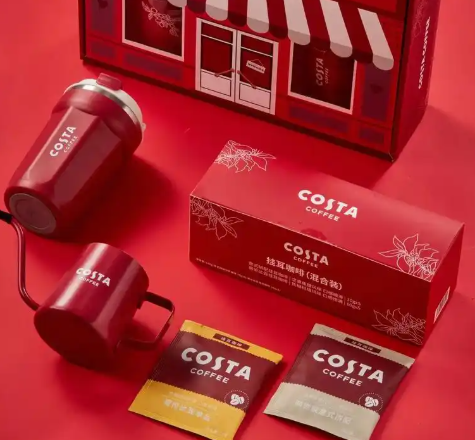
Coffee is deeply connected to origin, roast level, brewing culture, and daily lifestyle, so packaging has strong storytelling value. Buyers should think about how color, graphics, typography, and materials communicate whether the product is specialty, gift-ready, contemporary, artisanal, or premium retail. Coffee packaging that looks too generic can quickly lose impact because the market is crowded. At the same time, too much visual noise can weaken credibility and reduce clarity at the point of sale.
A good coffee packaging system uses design to guide perception without overwhelming the customer. Buyers should consider how the package looks on shelf, how it photographs online, and whether multiple SKUs can remain part of one brand family. Packaging should help consumers understand the product mood at a glance while still leaving room for origin notes, roast information, or gifting context. That balance is especially important for coffee brands targeting both daily purchase and premium seasonal demand.
Display, Replenishment, And Seasonal Programs Should Also Be Considered
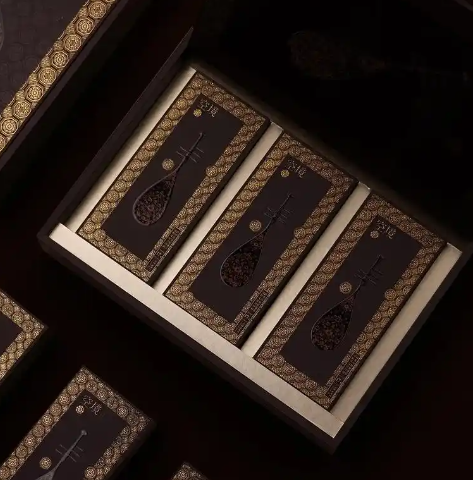
Coffee packaging often needs to perform in several channels at once, including retail shelves, gift programs, subscription boxes, and e-commerce fulfillment. Buyers should therefore consider not only how the packaging looks, but also how easily it is stacked, replenished, shipped, and updated for limited editions. A design that works beautifully for one holiday box but becomes inefficient for regular replenishment may limit long-term growth.
Packaging that supports both everyday sales and premium gifting usually has stronger commercial value. Buyers should think about barcode logic, product grouping, carton efficiency, and whether the same packaging system can support different roast profiles or launch cycles. Coffee packaging becomes more effective when it protects aroma, tells a brand story clearly, and stays practical across repeated commercial use.
Coffee packaging works best when it protects aroma, tells the product story clearly, and supports both retail display and repeated commercial use. Buyers who connect freshness, branding, and operational practicality will create coffee packaging that performs well in premium markets and everyday sales alike.
